
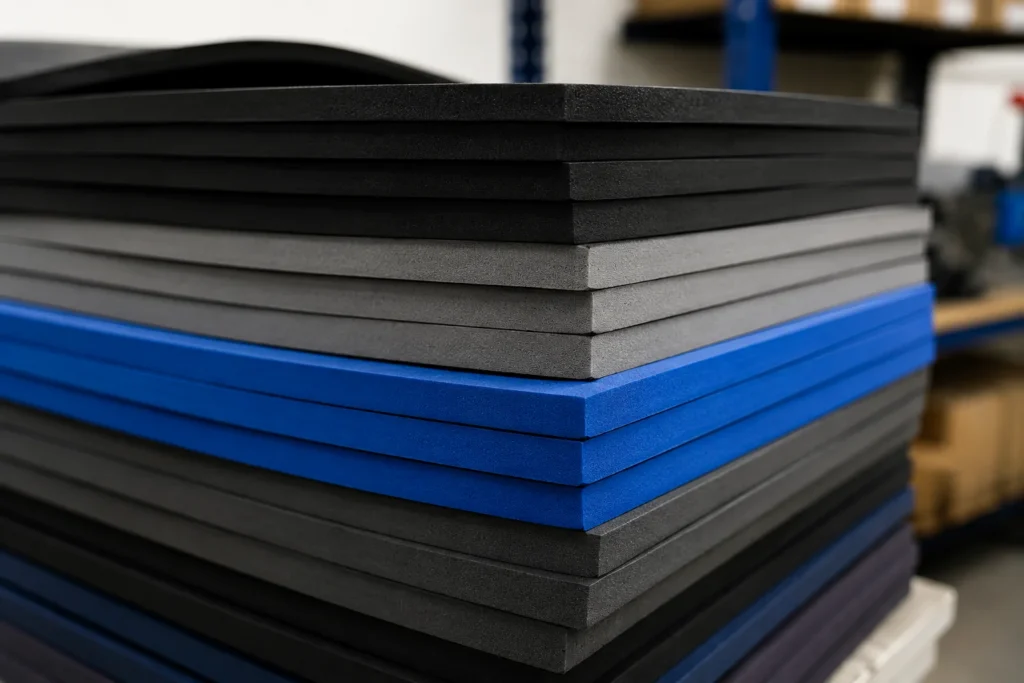
Each component of the MM Podiatry system, chosen for reliability, consistency and clinical coherence.
Every orthotic shell is built layer by layer from a digital file of your prescription, giving precise control over thickness, stiffness, and geometry, with excellent repeatability between pairs.
The result reflects your prescription rather than a generic template. Every pair from the same file is identical. Adjustments and repeats are made at file level and reprinted precisely, with no variation, no guesswork, and a clear digital record of every device manufactured.
Shell material: TPU in different densities, polypropylene (PP) and carbon fibre options for higher stiffness requirements.
Top covers
The top cover is prescribed to match the clinical requirement, for example:
Combinations are available for complex presentations. We can advise on appropriate specifications.
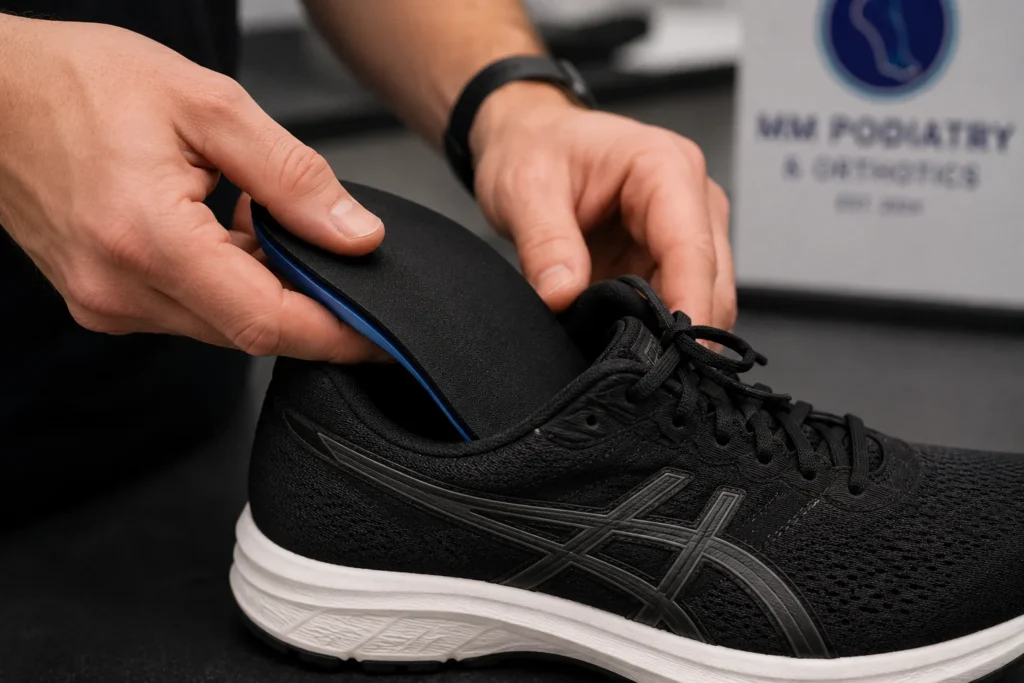
RehabHub 3D is more than a consumer fitness app. It is an exercise prescription software with the tools to prescribe, monitor and progress structured rehabilitation in a busy practice, and the compliance standards expected of a clinical platform.
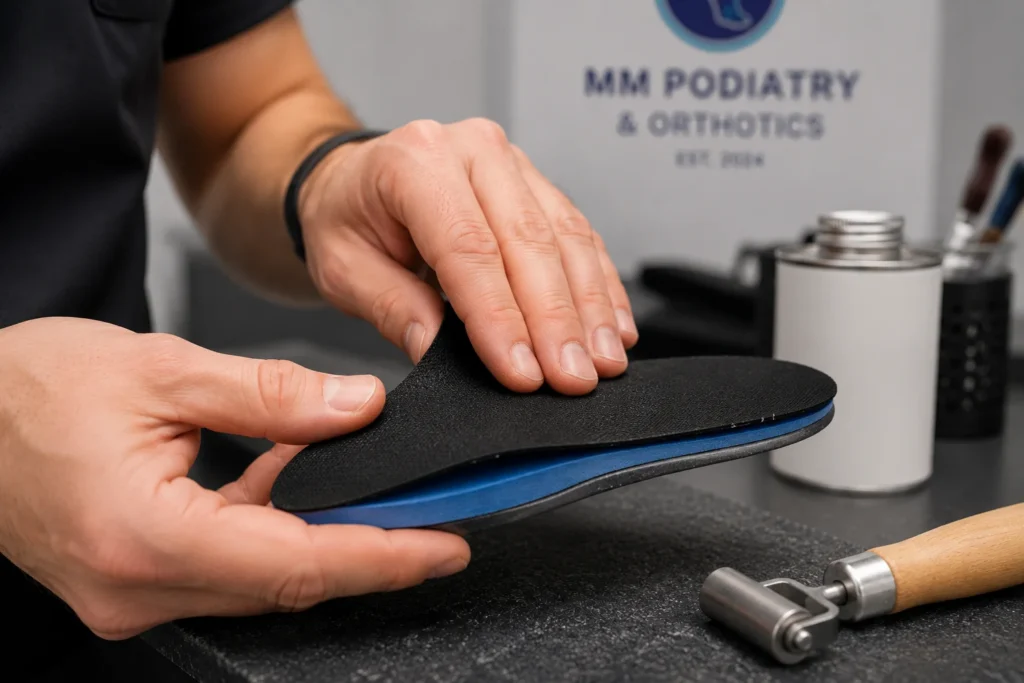
MM Podiatry return-to-activity programmes are delivered through our partners WalkActive and Streek — both established, digitally delivered programmes that clinicians can recommend to patients via a referral link or QR code.
Accessed through a digital platform and app. Multiple programmes matched to patient goals and activity level. Built around gait modification techniques that are broadly supported by the evidence. Clinicians guide patients to the appropriate programme; WalkActive manages the progression.
Yes. MM Podiatry accepts digital scans alongside foam impression boxes and slipper casts.
Yes — from the same digital file, without new casts, if the foot has not changed significantly.
As a busy private podiatry practice, bespoke foot orthoses sit at the core of our MSK service, so we’re very selective about who we work with. Since moving to this MM Podiatry, the consistency and quality of the 3D‑printed orthotics have been excellent, reliably reducing pathological tissue loading and giving us the stable mechanical foundation we need for rehab.
The integrated RehabHub 3D platform is a genuine value‑add for our patients. It allows us to progress tissue loading in a structured, evidence‑informed way and gives patients clear, accessible plans that complement their orthoses instead of just a generic exercise sheet. We also use it for prehab and minor niggles between appointments, which has noticeably improved engagement and adherence.
Together, the orthotics and digital rehab pathways have made our MSK care feel more joined‑up and professional. We spend less time on admin and workarounds and more time delivering a complete journey from overload and pain to restored function and confidence.
As a relatively new podiatry practice, I’ll admit I lacked confidence when it came to prescribing bespoke orthoses. I knew some of my patients needed more than off‑the‑shelf devices, but the sheer number of design choices, variables and suppliers made me nervous about getting it wrong. Partnering with MM Podiatry has completely changed that.
The prescription process is clear and guided, and the support behind it has been invaluable. I feel like I have an expert ‘in my corner’ helping translate my clinical findings into high‑quality, 3D‑printed orthotics that actually do what I need them to do. My confidence has grown and so has my willingness to take on more complex MSK patients.
Having RehabHub 3D alongside the orthoses has been a big bonus. It gives me ready‑made, professional rehab prescriptions that I can quickly tailor to each patient, instead of piecing exercises together from scratch. Patients see it as a premium, joined‑up service rather than just “getting some insoles”, and that’s helped me grow the MSK side of the business much faster than I expected.
Working with MM Podiatry has allowed me to offer a level of orthotic and rehab care that feels more like an established MSK clinic than a start‑up, and it’s given me the confidence to build my reputation in this area.
Get in touch